Autism Mom Happy Awareness SVG: A Designer’s Embroidery Review
I’m standing in my studio, a plain cotton tote bag in one hand and the Autism Mom Happy Autism Awareness SVG glowing on my screen. A local autism awareness fundraiser is just two weeks away, and I want to stitch something that feels genuine, crisp, and gift-ready. The graphic immediately lifts my mood—it’s bold, cheerful, and unapologetically supportive. But after years of digitizing and embroidering, I know that a beautiful digital file doesn’t always translate gracefully into thread and fabric. So I’m pulling up my embroidery software, ready to test, tweak, and really think through how this design will perform on actual products.
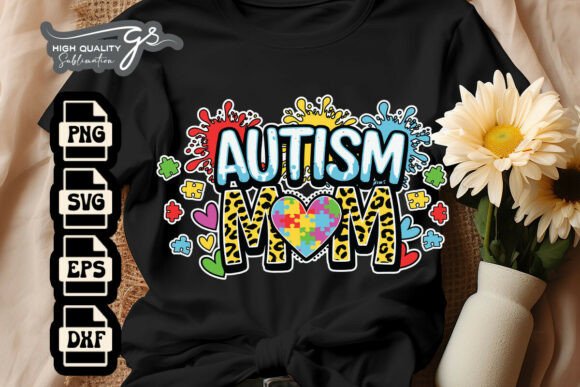
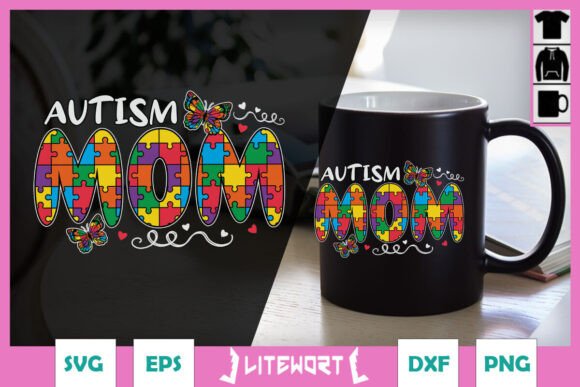
What strikes me first is the personality of the layout. The lettering has a hand-drawn warmth, with a flowing script feel that would read beautifully as satin stitch when digitized correctly. The composition feels centered and balanced, with the phrase “Autism Mom” taking the lead and “Happy Autism Awareness” supporting it in a way that feels like a celebration rather than a statement. There’s an inclusiveness to the mood that makes it naturally suited for handmade gifts, custom apparel, and community-oriented merchandise. It’s not just a design; it’s an invitation to connect.
The Mood and Visual Personality of the Graphic
When I evaluate any machine embroidery design candidate, I look at the emotional weight it carries. This one feels light, proud, and joyful. It doesn’t whisper—it smiles. That’s important because the finished product, whether it’s a sweatshirt, a pillow cover, or a tote bag, will carry that same energy. A mom wearing this on a tee at the park or carrying it on a bag at the grocery store becomes a walking message of love and acceptance. From a maker’s perspective, that emotional clarity is gold. It gives the handmade product immediate meaning, which helps it sell at craft fairs, on Etsy, or in boutique shops.
The design’s layout is clean, with no overly complex overlapping elements that would turn into a muddy mess under stitches. The lettering is the star, and that’s exactly what you want for an awareness piece. The absence of heavy background clutter means the design can adapt to different hoop sizes without losing its identity. It also leaves room for a creative maker to add a personal touch, like a small puzzle piece accent or a subtle heart, without overwhelming the embroidery.
Translating the SVG Into a Real Embroidery Project
The Autism Mom Happy Autism Awareness SVG comes as a digital bundle: SVG, PNG, and DXF. The SVG is pre-sized for cups, according to the product description, but for embroidery, I’ll be resizing it to fit whatever I’m stitching. Since it’s a vector file, it imports cleanly into programs like Hatch, Embrilliance, or even Ink/Stitch. I can scale it without losing sharpness, which is a huge plus. The high-resolution PNG with its transparent background is perfect for printable mockup creation—I can show clients exactly how the design will look on a tote bag or sweatshirt before I ever thread a needle. The DXF is handy for those who dabble in cutting machines, but for embroidery, the SVG is the true workhorse.
One thing to remember: this is a graphics file, not a pre-digitized embroidery file. There’s no built-in stitch data. That means I have full control over stitch density, fill stitch patterns, satin stitch widths, and underlay. For an experienced digitizer, that’s freedom. For a beginner, it’s a learning curve. But the design’s simplicity makes it a forgiving project to practice digitizing. I’d recommend starting with a medium-weight fabric and a simple satin stitch conversion for the lettering, then gradually refining the pull compensation.
Where This Design Shines on Finished Products
I can already picture this design on a natural canvas tote—the kind with a flat, sturdy surface that holds stitches beautifully. A tote bag design like this turns a plain accessory into a statement piece. I’d use a vibrant thread color pair: maybe a deep teal for the main text and a soft coral for the secondary words. The contrast would pop and feel modern. For sweatshirt embroidery, I’d scale it up to fill the chest area, keeping the stitch density light enough to stay soft against the body. A unisex crewneck with this design would be a strong seller for an awareness campaign.
It also works well for smaller items. A baby embroidery version on a onesie, using gentle pastel threads, would be a touching gift for a new autism mom. A structured cap with the design centered on the front panel could be a popular item at community events. Pillow covers and tea towels are other personal favorites because they provide a smooth, stable embroidery field where the lettering can really shine. Even an embroidered patch is possible: digitize the design with a clean border, stitch it on felt, and you’ve got a sew-on or iron-on patch that people can add to jackets, backpacks, or blankets.
When to Use Caution with This Design
Not every surface is a friend to this type of script. Small hoop sizes can be tricky. If you shrink the design below about three inches wide, the detail in the lettering can disappear, and the stitches may become too dense, creating a stiff, unappealing patch. I’d test a scaled-down version on scrap fabric first. Textured fabrics like terry cloth or fleece can swallow the fine loops of the script, so a water-soluble topper is non-negotiable. Stretchy fabric, like a thin jersey tee, demands a reliable cut-away stabilizer and perhaps a basting stitch to prevent shifting. Dark fabric can be a challenge if your thread color choice isn’t bold enough; I’d test on a black swatch with a bright thread to make sure the message stays legible.
Curved surfaces like unstructured caps can distort the lettering alignment, so I’d stick to flat or gently curved areas unless you’re comfortable with a more organic, slightly imperfect look. And while the design is uplifting, it’s specific—some customers may prefer a more subtle awareness symbol. That’s not a flaw, just a creative consideration when you’re building a product line.
How the Design Elevates Product Value and Customer Trust
A well-stitched version of this Autism Mom Happy Autism Awareness SVG can transform a simple blank into a premium personalized gift. The phrase “Autism Mom” is a badge of honor, and when a customer sees it beautifully embroidered on a high-quality item, they feel seen and valued. That emotional connection directly translates into repeat sales and positive reviews. For Etsy seller success, listings that include this design can attract a niche audience that actively searches for awareness-themed products. The design’s visual appeal, combined with a clean finished product photo, builds trust and sets a shop apart from generic gift stores.
Brand consistency is another plus. You can use the same digital embroidery file across multiple product types—totes, tees, aprons, blankets—and create a cohesive collection. The awareness angle gives your brand a story, and consumers love to support businesses that align with their values. Just make sure your embroidery is consistent: thread tension, color matching, and placement all need to be on point, because a messy stitch job can undo all that goodwill.
Practical Embroidery Notes from the Testing Bench
Before I commit to a full product run, I always run a test stitch on a scrap of the same fabric I’ll be using. Here’s what I pay attention to with this design:
- Thread color contrast. I try a few combinations—bright against natural, light against dark—to see which makes the message pop. A variegated thread can add a playful twist.
- Stitch density. For satin stitch lettering, I aim for a density that feels smooth but not stiff. I’ll often reduce the default density slightly to avoid puckering on lighter fabrics.
- Underlay. A center-run underlay or a light zigzag underlay helps stabilize the fabric and keeps the satin edges crisp. Without it, the script can look uneven.
- Pull compensation. The flowing lettering has tight curves that can close up if I don’t add a small amount of pull compensation. I’ll run a test, measure, and adjust.
- Stabilizer choice. For tote bags, a medium-weight cut-away works well. For sweatshirts, I add a tear-away behind the cut-away for extra support. For baby items, I opt for a soft, no-itch backing.
- Needle type. A sharp needle for woven fabrics, a ballpoint for knits. I replace the needle regularly to avoid thread breaks and snags.
I also like to test the design in a black-and-white mockup to see if the silhouette holds up. The Autism Mom Happy Autism Awareness SVG passes that test easily because its letterform is distinct. I’d also check the design from a distance—across a room, the message should still be clear. If it blurs, I might increase the letter spacing slightly during digitizing.
Turning the Graphic Into a Commercial Asset
As a graphics file in the crafts category, this SVG is a flexible design asset. You can use it for embroidery, but also for heat transfer vinyl, screen printing, or even sublimation. For embroidery, you’re essentially creating a custom machine embroidery design from a vector template. That puts you in control of the final look, and it also means your stitched version is unique to your shop. I’d recommend checking the licensing terms before selling finished items. Most graphics like this allow personal and small commercial use, but you never want to assume. A quick message to the seller can save you headaches later.
If you’re a small shop product creator, consistency is key. Digitize the design once, save the stitch file, and reuse it across your product line. You can even offer the design in different colorways to match seasonal trends, like pastel versions for spring awareness events or bold primaries for back-to-school fundraisers. The digital embroidery file you create becomes a valuable part of your business toolkit.
A Real Scenario: The Tote That Sparked a Conversation
Last week, I stitched this design onto a heavy canvas tote for a friend who is an autism mom. I digitized the SVG with a mix of satin stitch for the main words and a light fill stitch for the smaller text, using a 5x7 hoop. I chose a warm mustard thread for the lettering and a soft navy for the background accent. After a wash test, the design held up beautifully—no thread breaks, no fading, and the stabilizer stayed secure. My friend took it to the farmer’s market, and a stranger stopped her to say how much the message meant. That’s the power of a custom apparel piece done right. It’s not just a bag; it’s a bridge.
That experience reminded me why I love working with designs like this. The Autism Mom Happy Autism Awareness SVG isn’t just a pretty graphic. It’s a starting point for something genuinely meaningful. When you approach it with a maker’s mindset—testing, refining, and caring about the details—the finished embroidery becomes a product that people will treasure and talk about.
For embroidery designers, small business owners, and crafters, this design offers a chance to create something both commercially viable and emotionally resonant. It asks a little skill and patience, but the reward is a handmade product that stands out. Whether you’re stitching a holiday embroidery gift, building your craft business inventory, or just making something special for a loved one, this graphic is worth the thread.