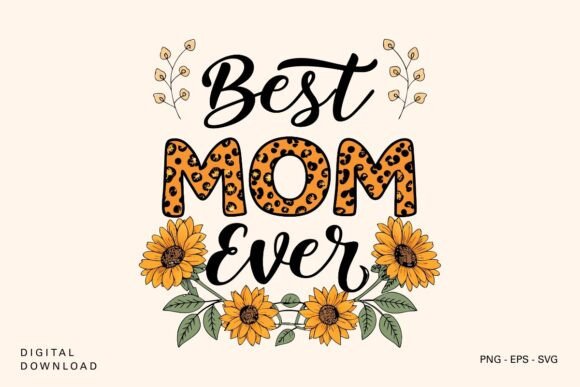
Best Mom Ever Leopard Print SVG
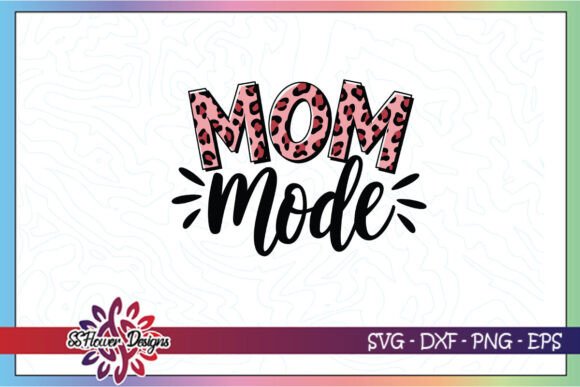
Right away, this design feels like it was made for a gift that doesn’t whisper—it declares. The phrase “Best Mom Ever” paired with a bold leopard print motif creates a mood that’s equal parts playful, sassy, and sincere. It’s the kind of graphic that catches your eye on a crowded Etsy search page and immediately makes you think of a mom who loves a little animal print, a little confidence, and a lot of heart. As an embroidery designer, I’m not just looking at a pretty file—I’m mentally placing it on a tote bag, testing its stitchability, and imagining how it’ll hold up after a dozen washes.
The Personality First, the Details Second
Before I even open the file in my software, I’m thinking about the style of the lettering and the leopard spots. The letters are likely chunky enough to hold a satin stitch without collapsing, and the leopard pattern fills the shapes with just enough irregularity to feel organic. There’s an energetic, hand-drawn quality to many SVG designs in this category, and that’s exactly what gives a finished embroidered piece a boutique feel rather than a mass-produced look. For a craft business, that personality is everything. Someone scrolling through a craft fair sees a sweatshirt or a kitchen towel with this design and instantly recognizes the vibe—a little wild, a little warm, and fully celebratory of a mom’s unique spark.
A Real Project in Mind: The Mother’s Day Tote
I recently pulled this design into my workflow to test it as an applique template for a custom canvas tote bag. The idea was simple: a natural cotton tote with a large, stitched interpretation of the leopard print lettering, paired with a small embroidered heart accent. The client wanted a Mother’s Day gift that felt handmade but not homespun, something that could be carried to the farmer’s market or the yoga studio. That’s where the Best Mom Ever Leopard Print SVG really started to shine. Because it’s an SVG, I could easily scale it to fit an 8‑inch hoop without losing detail, and the clean lines gave me a clear path for creating a digital applique design. I printed the design on paper, traced it onto some leopard-print quilting cotton, and used a tight zigzag satin stitch to secure the fabric outline. The result was a high-impact, textural piece that looked like a premium handmade product—exactly what the customer wanted.
Where This Design Belongs in Real Embroidery
This isn’t a one‑trick pony. The moment you hold it in your hands, it’s obvious the Best Mom Ever Leopard Print SVG can travel across a whole product line. Here’s where I’d confidently put it to work:
- Custom apparel: Sweatshirts, crewnecks, and baseball tees all let the leopard print stand out. The bold lettering reads well from across a room, and the animal print adds a trendy twist that younger moms and gift‑buyers love.
- Tote bags and canvas pouches: As a large, centered design, it becomes the hero of the bag. The contrast between a solid canvas and the textured leopard applique is visually stunning.
- Baby items: A onesie or a baby bib with this design in a smaller size feels playful and modern. The phrase takes on a new meaning when it’s worn by a little one, and the leopard print keeps it from being too saccharine.
- Kitchen textiles: Tea towels, aprons, and oven mitts become instant conversation pieces. The design’s size works well on a towel folded in half, and the leopard spots pop against linen or waffle weave.
- Embroidered patches: Stitch it on felt or twill with a merrow border, and you’ve got a removable patch that can be ironed onto a jean jacket, a cap, or a backpack. The leopard pattern gives the patch a collectible, limited‑edition feel.
- Nursery decor and pillows: A throw pillow cover with this design in the center becomes a statement piece for a mom’s reading nook. It’s personal and cozy without being overly delicate.
When the Design Meets the Needle: Stitch‑Worthy Observations
As beautiful as the design is on screen, embroidery requires a different kind of honesty. I always test a design on scrap fabric before committing to a final product, and this one is no exception. The first thing I’d watch is the stitch density in the leopard spots. If you’re converting the SVG to a fill‑stitch embroidery file, those irregular spots can become dense, puckered areas if you’re not careful. I’d recommend reducing the stitch count in the spots slightly or using a light fill with a running stitch edge to maintain the shape without adding bulk. For applique, the challenge shifts to cutting clean, small spots from fabric—it’s doable but requires a sharp pair of scissors or a cutting machine.
The lettering is likely the most critical part. The phrase “Best Mom Ever” is the emotional core, and if the stitches don’t form crisp, readable letters, the whole design falls flat. I’d always run a sew‑out on a similar fabric weight to the final project. If the letters are too small—say, under quarter‑inch tall—they might lose definition when stitched with a satin stitch. In that case, I’d bump the size up or switch to a thinner thread and a finer needle. The designer’s instinct is to test the design in a black and white mockup first: remove the color, see if the shape still reads. If it does, you’ve got a strong foundation.
Fabric, Hoop, and the Reality of Small Details
Some products will demand caution. I’d think twice before stitching this design on thin, stretchy fabrics like a lightweight jersey tee without a heavy cutaway stabilizer. The leopard spots, with their many direction changes, can cause the fabric to shift and distort. On dark fabrics, the contrast between the thread and the background becomes critical—a dark brown leopard print on a black sweatshirt might disappear, so I’d test thread colors against a swatch of the actual garment. Curved surfaces like a cap brim also require extra care. The lettering might need to be slightly arched or adjusted to follow the curve, and the fill areas need to be underlaid properly to avoid gaps.
For small hoop sizes—4×4 inches or smaller—the full design might need to be reduced, and that’s where the leopard spots can become too tiny to stitch cleanly. I’d rather scale it up and use a larger hoop, or split the design into two separate parts (the text and the leopard print) for smaller embroidery fields. Always confirm the hoop size you’ll truly need, and remember that the SVG’s scaling doesn’t automatically account for stitch limitations.
The Visual Payoff: What a Customer Sees
Once the embroidery is done, press it, trim the jump stitches, and step back. The Best Mom Ever Leopard Print SVG has a way of making a finished product feel intentional and elevated. Handmade products that use this design don’t just say “I made this”—they say “I made this for you.” That shift in perception is what raises the perceived value of a simple tea towel from ten dollars to forty. The leopard print adds a layer of personality that appeals to a wide range of gift‑buyers: the daughter shopping for a trendy mom, the husband looking for something not too frilly, the friend who wants to gift a little sass with a lot of love.
In a boutique setting, this design works as a consistent branding element. A small shop could use it across a spring collection of totes, hoodies, and baby bloomers, each item instantly recognizable as part of the same family. The handcrafted presentation feels cohesive, and that builds trust. Buyers start to associate the shop with a certain aesthetic—bold, modern, and mother‑centric. That’s the kind of recognition that brings repeat customers and word‑of‑mouth sales.
Practical Designer Notes Before You Stitch
No matter how experienced you are, a few habits will save you time and material. When working with the Best Mom Ever Leopard Print SVG, keep this checklist in mind:
- Test on scrap fabric that matches the weight and texture of your final product. Don’t assume the design will sew out the same on canvas as it does on cotton sheeting.
- Check thread color contrast against both light and dark backgrounds. A leopard print that reads well on cream might blur on charcoal.
- Review stitch density in the spotted areas. If you’re digitizing the file yourself, lower the density slightly to prevent stiff, bulletproof patches.
- Inspect small details like the inner corners of the letters and the edges of the spots. A quick trim in the digitizing software can clean up paths that might cause thread trims or overlaps.
- Use a proper stabilizer for the fabric type. On knits, a cutaway stabilizer is non‑negotiable. On wovens, a tear‑away might suffice, but I’d still add a topper if the design has dense fill areas.
- Test in black and white to make sure the design doesn’t rely on color alone for legibility. The silhouette should stand on its own.
- Mock up the product before you sew. Place the printed design on the bag or shirt, step back, and see if the scale and placement feel right. A design that looks fantastic on a screen might feel too big or too small on a body.
- Confirm licensing before selling finished items. The product description mentions handmade business product lines, which suggests commercial use is intended, but always verify directly with the shop. You don’t want to assume permission for mass production or digital resale.
From SVG to Embroidery: A Thoughtful Conversion
Because this is a Graphics file and not an embroidery file, you’ll need to convert it. That’s not a drawback—it’s a creative opportunity. As an SVG, the design is versatile enough to become an applique template, a quilting pattern, or a digitized embroidery file. I’ve used it as a base for a custom machine embroidery design by importing the SVG into my digitizing software and assigning stitch types manually. The leopard spots I converted to a light fill with a running stitch outline, and the lettering I digitized as a satin stitch with a slight pull compensation. The process took about thirty minutes, and the result was a clean, professional embroidery file I could use on any machine that accepted my chosen format.
For those who don’t digitize, the SVG can still be used as a printable template for hand‑guided embroidery or as a cutting file for fabric applique. A craft business might use the same SVG to cut heat‑transfer vinyl for a tumbler, then flip it to an embroidery project for a matching tote bag—one design, multiple products, consistent branding. That’s the kind of efficient, creative thinking that turns a single purchase into a whole collection.
The Emotional Hook That Sells
At the end of the day, Best Mom Ever Leopard Print SVG works because it taps into something real. It’s not just a design; it’s a wearable sentiment. When a customer picks up an embroidered pillow cover with this phrase, they’re not just buying a pillow—they’re buying a way to say “I see you, Mom. You’re fierce and you’re loved.” That emotional hook is what makes handmade products sell. The leopard print adds a layer of fun that keeps the design from feeling overly sentimental, and that balance is hard to get right. It’s the reason this design will outlast trends and stay relevant for Mother’s Day, birthdays, or just‑because gifts year after year.
For small shop owners and Etsy sellers, the design offers a ready‑made aesthetic that fits into a lifestyle brand. You can photograph it on a sunny kitchen counter next to a mug and a plant, and it tells a story. That’s the kind of product photography that stops a scroll. And when a buyer sees the stitched version in person, the texture of the embroidery and the boldness of the leopard print seal the deal—this is a handmade product that feels worth every penny.
Final Thread and Thought
I’ve stitched hundreds of designs, and the ones that stay in my rotation are the ones that combine a clear message with a visual personality that doesn’t get boring. The Best Mom Ever Leopard Print SVG fits that bill. It’s a design that asks for a little extra attention during digitizing and sew‑out, but the payoff is a product that looks bespoke, sells well, and makes the recipient smile. Whether you’re preparing a single custom gift or building a small batch of products for a market, this design is a solid, reliable pick. Just remember your stabilizer, test your thread colors, and let the leopard do the talking.