Coquette Mom Est 2025 Club SVG PNG: A Designer's Review
When I opened the zipped folder for Coquette Mom Est 2025 Club SVG PNG, I immediately pictured a soft pink sweatshirt with delicate thread work, the kind of piece that makes someone stop scrolling and click "add to cart." The design has a sentimental, almost nostalgic sweetness that feels very now—coquette bows, gentle curves, and a phrase that marks a meaningful year. Before I ever load this into my embroidery software, I want to walk through what I see, how it might actually stitch, and where it could genuinely shine in a handmade product lineup.
First Impression and the Coquette Aesthetic in Thread
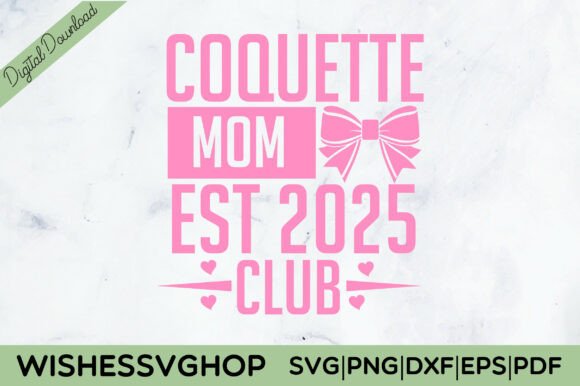
The coquette trend has settled into craft spaces with surprising staying power, and this design taps directly into that feminine, ribbon-soft visual language. The Coquette Mom Est 2025 Club SVG PNG carries a mood that is equal parts sweet, nostalgic, and proudly personal. I can already imagine how the bow details and lettering would translate into satin stitch—there is a certain rhythm to the layout that feels balanced without being stiff. The shape language suggests gentle arcs, which in embroidery means fewer harsh corners to worry about during hooping and stitching.
What strikes me most is the emotional weight of the "Est 2025" marker. For a mom who welcomed a baby this year, or for a mother starting a new chapter, this design becomes a wearable keepsake. That kind of emotional resonance is exactly what turns a simple embroidered item into a personalized gift someone actually treasures. From a designer's perspective, the visual personality of this file leans warm, approachable, and intentionally soft—nothing feels overly busy or cramped, which is a relief when you know it will be reduced to thread and fabric.
Where This Design Naturally Belongs
I would not hesitate to place Coquette Mom Est 2025 Club SVG PNG on a tote bag design meant for a boutique baby shower gift. Picture a natural canvas tote with this design stitched in a dusty rose thread, perhaps paired with a matching bow ribbon tied to the handle. The coquette theme aligns beautifully with nursery decor, baby embroidery, and keepsake items that new mothers often receive and cherish.
On custom apparel, a crewneck sweatshirt in cream or heather gray would let the design breathe. The lettering and decorative elements need enough space to read clearly, so I would lean toward a front-center chest placement or a slightly oversized back print. For baby embroidery, a smaller version on a onesie or a soft baby blanket could work, though I would test the size carefully—tiny details risk losing definition under dense thread.
Other products that make sense: a linen pillow cover for a nursery chair, a kitchen towel for a mom-themed gift basket, or an embroidered patch pressed onto a denim jacket. The design feels versatile enough for craft fair products and Etsy listings alike, especially if you position it as a limited "Est 2025" collection piece.
Stitching Clarity on Different Fabric Types
Fabric choice will make or break this design. On smooth, stable substrates like cotton twill, canvas, or quality sweatshirt fleece, I expect the details to stitch cleanly. The coquette bow elements often contain fine curves and thin lines, which means satin stitch segments need a stable surface to avoid puckering. Stretchy fabrics like jersey or ribbed knit demand extra attention—a firm cutaway stabilizer is non-negotiable here, and I would run a test stitch before committing to a full production batch.
On textured fabrics like waffle weave or terry cloth, the finer details could get swallowed. I would avoid placing this design on heavily napped surfaces unless I am prepared to sacrifice some of the delicate line work. For dark fabric, contrast becomes critical. A light thread on a dark background can look striking, but if the design contains very thin elements, they may appear even thinner once stitched. I always recommend testing the design in a black-and-white mockup first to see how the contrast holds up.
Real Project Scenario: A Boutique Tote for a New Mom
Let me paint a real picture. I have a client who runs a small handmade shop, and she wants a signature tote for Mother's Day gifting. She has chosen Coquette Mom Est 2025 Club SVG PNG as the centerpiece, stitched on a heavyweight natural canvas tote with a subtle pink gingham lining. I open the SVG file, scale it to roughly five inches wide, and check the detail density. The bow loops and the cursive lettering need to hold their shape without merging into a blob of thread.
I load the design into my embroidery software and run a stitch preview. The fill stitch areas look manageable, but I notice the bow tails taper to very fine points. In thread, those points could shorten or round off slightly. I adjust the stitch density in those zones and add a subtle underlay to support the satin columns. I hoop the canvas with a medium-weight cutaway stabilizer, spray-adhere the fabric, and float a layer of tear-away beneath for extra body. The first test stitch reveals clean lettering, though I decide to swap my initial thread color from a pale ballet pink to a slightly deeper rose, because the pale pink nearly disappeared against the natural canvas. The second test looks right—readable, delicate, and dimensional.
This is the kind of hands-on evaluation that separates a nice design from a reliable, sellable product. The Coquette Mom Est 2025 Club SVG PNG has the bones for a beautiful finished piece, but it rewards the embroiderer who takes time to test and adjust.
Hoop Size, Placement, and Handling Small Details
One practical concern I always raise is hoop size. If the design is scaled to fit a 4x4 inch hoop, the lettering and bow details need to remain legible. I would not push this design below about three inches in width without checking whether the smallest elements—like serifs on the letters or the inner loops of the bow—can actually render in thread. On a cap, the curved surface changes how the design sits. I would test placement on a structured cap with a firm backing, and I would keep the design toward the front panel rather than wrapping it around a side curve where distortion is more likely.
For layered garments like zip-up hoodies, avoid placing the design too close to the zipper or seam lines. The embroidery foot needs clearance, and dense stitching near a bulky seam can cause skipped stitches or uneven tension. Small details like decorative dots, thin connecting lines, or tiny accents should be reviewed in your embroidery software at actual size. What looks crisp on a screen can blur into a single dense knot of thread once stitched.
Color Choices and Thread Palette Considerations
The coquette palette naturally leans toward soft pinks, creams, champagne, and muted rose tones, but this design also opens up beautifully for monochromatic statements. A single-color version in a rich burgundy or deep navy on a cream background could read more sophisticated and less overtly sweet, appealing to a broader customer base. If you are selling handmade products in a boutique setting, offering two colorways—soft and romantic versus bold and modern—can double your buyer engagement.
I always test thread colors under natural light and warm indoor light. A pink that looks perfect in daylight can shift toward peach or beige under warm bulbs. For commercial embroidery where consistency matters across multiple finished pieces, I lock in the thread brand and color code early and stick to it. If you are creating printable mockups or digital product previews, the colors in the SVG file give you a strong starting point, but the actual stitched result will always have a slightly different depth and texture than the flat graphic. Be honest in your product photography—show the real stitched piece, not just the digital mockup.
Customer Perception and Product Value
A design like Coquette Mom Est 2025 Club SVG PNG carries built-in emotional appeal. The "Est 2025" text signals a milestone, which makes the item feel intentional and personal, even if it is produced in a small batch run. Buyers respond to that specificity. When a mom sees "Est 2025" on a tote or sweatshirt, she does not just see a cute graphic—she sees her story. That perception elevates the product value and supports a higher price point than a generic floral or script design.
From a brand consistency standpoint, this design fits well within a shop that carries feminine, trendy, or family-oriented products. If your brand voice is rustic or minimalist, this might feel like a departure. But for a craft business building around motherhood, baby gifts, or personalized keepsakes, the design reinforces your brand identity and strengthens customer trust through visual cohesion.
Practical Notes for Embroidery Designers and Shop Owners
Before you list a finished product using this design, confirm the licensing terms. The file arrives as a zipped folder containing SVG files, which you must unzip after download. The listing specifies this is an instant download for digital embroidery file use. I always advise checking whether the included license covers personal use, commercial embroidery, or resale of finished physical items. If you plan to sell the digital file itself, that is a separate permission structure entirely, and you need to verify it before listing.
Test the design on scrap fabric first. Check thread color contrast on both light and dark backgrounds. Review the stitch density in your software—adjust if the design feels too heavy for lightweight fabrics. Confirm your hoop size accommodates the design at the scale you intend to use. Inspect every small detail at actual size. If bow loops or lettering connectors appear fragile, add a slight underlay or widen the column by a fraction of a millimeter. Use the right stabilizer for your fabric type, and press the finished piece properly before photographing or packaging.
For Etsy sellers and small shop products, this design photographs well. Style it with blush florals, satin ribbons, or soft neutral props to reinforce the coquette mood. The finished product will sell better when buyers can see the texture of the stitches and the drape of the fabric. Do not rely solely on flat lay mockups—show the design on a real person or a styled mannequin to communicate scale and placement.
Final Thoughts on Real-World Use
After spending time with Coquette Mom Est 2025 Club SVG PNG, I see it as a strong addition to a craft business that serves mothers, gift shoppers, and boutique buyers. The design reads as heartfelt without being overly precious, and its coquette details give it enough trend relevance to feel current. The real test, as always, is in the stitching. Take the time to test, tweak, and photograph it well. When you do, this design can become a quiet bestseller in your handmade collection—the kind of piece that customers buy for themselves and then again for a friend.