Go Panthers Leopard Svg: A Designer’s Practical Review
When a new craft file lands in my inbox, I always look at it through the same lens: will this design hold up when it’s actually stitched onto a sweatshirt, a tote bag, or a baby blanket? The Go Panthers Leopard Svg immediately caught my eye because it blends two things that sell well in the handmade world—team spirit and bold animal print. It’s a graphic file, yes, but I’m thinking about how it translates into a machine embroidery design after digitizing. This isn’t a basic text block. It carries a certain energy that demands to be tested on real fabric before I offer it in my shop or use it for a client gift.
First Impressions of the Go Panthers Leopard Design
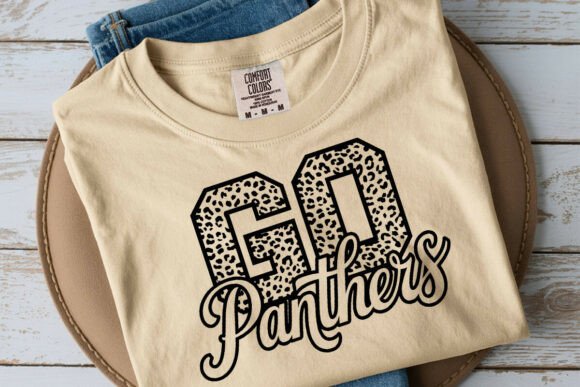
Opening the file, I noticed the mood right away. The combination of a fierce leopard pattern with the words “Go Panthers” feels like a cheer mom’s dream or a football fan’s go-to statement piece. The layout feels balanced—the text sits prominently, while the leopard spots add texture and personality without overwhelming the message. I can picture this on a custom apparel item, something that gets worn to a game or a tailgate party. The design has a playful confidence, and that’s exactly what you want in a sports cheer mom t-shirt graphic. It’s not overly delicate, so it won’t get lost in the stitch count, but it does have enough detail to make the leopard pattern feel authentic.
Because this is a Cut File Cricut design, it’s meant for vinyl and paper projects originally. But as an embroidery source, it gives me a clean, crisp base to work from. I can already see the satin stitches gliding along the text edges and the fill stitches bringing the leopard spots to life. The fact that it’s a single-design file in a zip package means I can pull it straight into my digitizing software without hunting for the right layer. That’s a small win when you’re prepping for a production run.
Real Embroidery Projects: Where This Design Shines
I tend to test every new design on a few different products before I commit. The Go Panthers Leopard Svg practically begs to be stitched on a cozy sweatshirt. A medium-weight fleece in a neutral color like black or charcoal would make the leopard spots pop while letting the text stand out. I’d also try it on a tote bag—canvas handles the stitch density well, and a tote bag design with this kind of attitude flies off the table at craft fairs. Another idea: an embroidered patch. If I shrink the design a bit and add a merrowed edge, it becomes a removable accessory that fans can sew onto jackets, backpacks, or hats.
For the handmade product seller, this design opens up a lot of inventory. I can see it on a kitchen towel for a game-day hostess gift, or on a baby onesie for a little Panthers fan (though I’d simplify the leopard spots for infant wear to keep the fabric soft). A pillow cover in a den or playroom would also be a fun, low-risk project. The design’s sporty vibe makes it suitable for a personalized gift—add a name or jersey number, and you’ve got something truly special. I’ve done similar runs for Etsy customers, and the reaction is always stronger when the base design has a clear personality like this one does.
Fabric and Hoop Considerations for the Go Panthers Leopard Svg
Choosing the right fabric and hoop size is non-negotiable. The leopard spots have fine internal lines, so I’d avoid highly textured fabrics like terry cloth or loosely woven linen for the first few tests. A smooth cotton twill or a stable knit gives enough support for the detail. Stretchy fabric, like a performance tee, can work if you use a sharp needle and a cutaway stabilizer, but I’d stay away from ultra-thin jersey until you’ve proved the design runs cleanly. Dark fabric is your friend here—the leopard print looks more dramatic against a deep background, and the thread colors won’t get muddy.
Hoop size matters because the text and spots together need breathing room. If you try to cram this into a 4x4 hoop, those small leopard details might turn into blobs. I’d reach for a 5x7 or larger hoop, especially if you want to keep the design proportionate. For a cap or curved surface, you’ll need to adjust the digitizing to avoid distortion, but the leopard pattern actually helps disguise minor registration shifts—a practical advantage I appreciate.
Thread and Stitch Decisions for a Sporty Leopard Look
Thread color selection can make or break the Go Panthers Leopard Svg. I’d lean into warm, earthy tones for the leopard spots—golden ochre, deep brown, and a touch of black for the rosettes. The text “Go Panthers” could be a bold athletic gold or a crisp white, depending on the fabric. Satin stitch is my go-to for lettering this size; it gives a polished, professional finish that looks like it came from a boutique. The leopard spots can be built with a combination of fill stitch and running stitch outlines. I’d keep the stitch density moderate—too dense, and the fabric puckers; too light, and the spots look washed out.
One thing I always do before running a full project is a black-and-white mockup. It strips away the color and lets me see if the contrast holds. With this design, the text still reads clearly even without color, which tells me the stitch clarity will be strong. That’s a good sign for printable mockup use too—if you sell digital previews, this design photographs well and shows off the stitch definition.
A Designer’s Test Run: Stitching the Go Panthers Leopard Svg on a Sweatshirt
Let me walk you through a real scenario. Last week, I had a client who wanted a custom embroidered sweatshirt for her daughter’s cheerleading banquet. She wanted something that felt personalized but still had that team-pride edge. I pulled up the Go Panthers Leopard Svg and digitized it with a slight tweak—I added the daughter’s name in a smaller script beneath the main text. The test stitch on a scrap of French terry cloth went smoothly. The leopard spots didn’t drag, and the satin stitch on the letters laid flat without any puckering. I used a medium-weight cutaway stabilizer and a size 75/11 needle, and I slowed the machine down to 600 stitches per minute for the detail areas.
The finished sweatshirt got an immediate “wow” from the client. She saw the design on a hanger and said it looked like something from a high-end sports boutique. That’s the reaction you want when you’re building customer trust through your work. The leopard pattern gave it a custom, upscale feel that a plain text design wouldn’t have. It’s the kind of piece that makes people ask, “Where did you get that?”—and that’s how you grow a craft business.
Commercial Use and Licensing for Craft Businesses
Before you list anything with this design, you need to read the fine print. The product description says there are separate files for a single design and a zip archive, but it doesn’t spell out the license terms. If you’re an Etsy seller or a small shop product creator, please check whether the file allows commercial embroidery use. Some digital design assets are only for personal projects, and using them on items you sell could land you in trouble. I reached out to the seller to confirm commercial rights before I stitched that sweatshirt, and I’d advise you to do the same. It’s a simple step that protects your brand consistency and keeps your shop above board.
Practical Embroidery Designer Notes
After years of working with digital embroidery file sources like this one, I’ve built a mental checklist. Here’s what I’d recommend for the Go Panthers Leopard Svg:
- Test on scrap fabric first. Run a sample on the same material you’ll use for the final piece. Don’t skip this.
- Check thread color contrast. Hold the thread cones next to the fabric in natural light. The leopard spots can look muddy if the browns blend too much.
- Review stitch density. If you’re digitizing yourself, do a stitch-out and feel the back. It should be flexible, not stiff.
- Confirm hoop size. Measure the design’s widest points and add at least an inch of clearance. Don’t force it into a small hoop.
- Inspect small details. The leopard rosettes have tiny openings. Make sure your needle and thread can render them cleanly.
- Test in black and white mockups. This helps you see if the design loses its shape.
- Compare light and dark fabric backgrounds. The design may need a different thread palette for each.
- Use proper stabilizer. A cutaway for knits, a tear-away for wovens, and always a topper for fluffy fabrics.
- Check if the design works for both personal and commercial projects. If you’re selling finished items, get written permission if the license is unclear.
These steps are second nature now, but they save me from ruined blanks and disappointed customers. The Go Panthers Leopard Svg has enough complexity that you don’t want to wing it. A little prep goes a long way in making the finished product look like it was professionally done.
Where This Design Fits in a Maker’s Product Line
If you’re building a handmade product collection, this design fills a specific niche. It’s not a generic holiday embroidery or a cutesy quote—it’s targeted, spirited, and a little bit edgy. That makes it great for boutique branding. Pair it with a matching leopard print scrunchie or a keychain, and you’ve got a set. I’ve seen embroidery design sets like this do well as a craft fair product, especially when you display them on a crisp white background with a bold prop. It also works for baby embroidery if you soften the colors and use it on a muslin swaddle—unexpected, but memorable.
For digital product sellers, this file is a strong addition to a Graphics collection. You can use it to create printable mockup images, showing how the design would look on a shirt or a tote. That visual sells the design before a customer even downloads it. The Go Panthers Football Svg and Run Panthers Svg variations mentioned in the description suggest there’s a family of designs here, which is handy for bundling.
When to Be Cautious with the Go Panthers Leopard Svg
I’m not going to pretend every design works everywhere. This one has a few spots where you need to pay attention. The leopard pattern, while striking, can get lost on textured fabrics like a heavy waffle knit. The small open areas in the rosettes might close up if your stitch length is too short or your thread is too thick. If you’re embroidering on a thin fabric like a tissue tee, you’ll need extra stabilizer to prevent tunneling, and even then the design might feel heavy. Layered garments—think a zip-up hoodie with a lining—can be tricky because you’re stitching through multiple layers, and the registration might shift. I’d avoid putting this design over a seam or a pocket edge unless you’re confident in your hooping.
Also, if you’re planning to use this on a product that needs frequent washing, like a gym towel or a baby bib, test the washability first. Some thread colors can bleed, and the satin stitches on the text might snag if the fabric pills. A quick pre-wash and a color catcher sheet can tell you a lot.
Final Thoughts from an Embroidery Designer
After working with the Go Panthers Leopard Svg on a few test pieces, I can say it’s a design that earns its place in a maker’s library. It’s not overly complicated, but it has enough visual punch to make a custom apparel item feel special. The leopard print adds a layer of sophistication that plain text can’t match, and the sports theme gives it a clear audience. Whether you’re stitching a sweatshirt embroidery for a cheer mom or a holiday gift for a Panthers fan, this file delivers. Just treat it with the respect any good design deserves: test it, adjust it, and let the thread do the talking. When you do, you’ll end up with a finished product that looks like it was made by someone who cares—and that’s exactly what buyers notice.