Rescue Mom Happy Mother s Day SVG
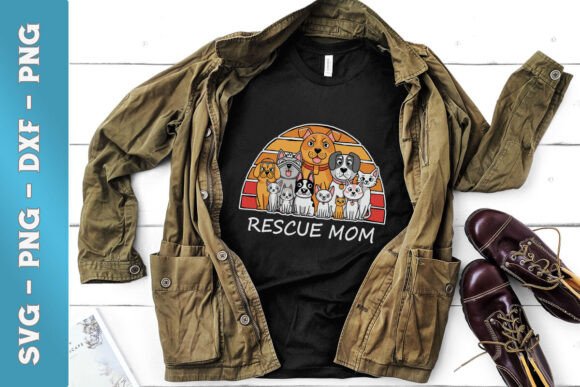
A design built around the phrase “Rescue Mom” instantly carries emotional weight. This isn’t just another generic Mother’s Day graphic. The first time I pulled up Rescue Mom Happy Mother s Day SVG, I knew it would resonate with a very specific, very loyal audience—women who consider their rescue pets family. The mood is warm, a little playful, and deeply personal. The layout typically pairs a widely recognized rescue symbol, like a paw print or a heart filled with a paw silhouette, with bold, friendly typography. It doesn’t try to be overly elegant or fussy, and that’s exactly why it works for handmade projects. The visual personality feels like a Sunday morning at a dog adoption event, coffee in hand, wearing a sweatshirt that says exactly who you are.
From an embroidery perspective, the greatest strength of this design is its clean, graphic nature. Shapes tend to be well-defined with clear separation between elements. That makes it a strong candidate for digitizing into a machine embroidery design, especially if you plan to use it as an applique or a simple fill-stitch piece. The combination of text and a central icon gives you flexibility—you can extract the paw and heart alone for a small patch, or keep the full composition for a larger statement piece. When I think about where this design belongs, my mind immediately goes to a sturdy canvas tote bag, a medium-weight sweatshirt, or a soft kitchen towel that will be used every morning. It’s a giftable, everyday kind of design, not something that sits on a shelf.
When a Design Feels Like a Personal Statement
I’ve stitched dozens of pet-themed designs over the years, and the ones that sell best or get the most genuine compliments are the ones that reflect a real identity. Rescue Mom Happy Mother s Day SVG does exactly that. It’s not a blank “Happy Mother’s Day” message. It’s a badge of honor for someone who has opened their home to a rescued animal. That emotional layer changes how you approach the project. You’re not just embroidering a pretty graphic; you’re helping a customer wear their heart on their sleeve—literally. That level of personal connection adds immediate value to any finished product, whether it’s a custom sweatshirt, a boutique baby onesie for a growing family that includes a new rescue pup, or a set of embroidered pillow covers for a cozy reading nook.
In my studio, I often test designs by imagining how a customer would react when they unwrap the finished item. For this design, I picture a quiet gasp, a wide smile, maybe even a tear. That’s the kind of buyer engagement you can’t force. The design carries its own narrative, and that narrative translates directly into trust and repeat business for small shops and Etsy sellers.
Translating the SVG into a Real Embroidery Project
Let’s get practical. Since this is a digital cutting file, not an embroidery file ready to stitch, you’ll need to digitize the design or convert it into a format your embroidery machine understands. That’s not a drawback—it’s actually a huge advantage for creative control. You can decide whether to turn the paw into a satin-stitch edge applique, fill the heart with a textured running stitch, or keep the lettering crisp with a narrow satin column. The clean vector lines of the SVG typically translate well into embroidery software, provided the original artwork has closed paths and minimal overlapping nodes. I always run a quick check in my digitizing program to see if thin strokes are thick enough to hold a stitch at a small scale.
The real test, though, is stitch-out. I’d grab a scrap of cotton canvas and test the design at three different sizes. The smallest hoop I’d trust for this design, assuming the text isn’t microscopic, is around 4x4 inches. Anything smaller, and the lettering might blur or pull, especially on a textured fabric. The word “Rescue” has a few tight curves, and the “M” in “Mom” needs careful attention to avoid thread breaks. That’s where stitch density becomes your best friend—or your worst enemy. Too dense, and the fabric puckers. Too light, and the design looks sparse. I’d lean toward a medium density with a quality tear-away stabilizer for flat items like totes, and a cut-away stabilizer for stretchy fabrics like sweatshirts or onesies.
Choosing the Right Fabric and Thread
This design’s personality changes drastically depending on the background. On a natural linen tea towel, the paw print and heart feel rustic and handmade. On a deep hunter green sweatshirt, it becomes bold and modern. I always test both light and dark fabric scenarios because the contrast between thread and fabric can make or break the design. For thread colors, I’d use a warm charcoal or deep brown for the text to keep it soft, and a muted gold or terracotta for the paw to add a subtle pop without screaming. Metallic thread near the heart could work for a special holiday gift, but I’d avoid it on items that get washed frequently—the sheen wears off faster than you’d expect.
Stretchy fabrics like baby bodysuits or performance tees require extra care. The design’s lettering must be digitized with appropriate underlay to prevent distortion. I’d also reduce the overall size slightly to avoid that stiff, cardboard-like feel that large embroidery can create on thin knits. A patch sewn onto a cap or a baby blanket would be a smarter move than stitching directly onto a curved, unstable surface. And for caps, the curved text might need to be adjusted in the digitizing software to avoid looking warped once it’s on the hat.
Where This Design Shines for Small Business Owners
If you’re selling finished products, Rescue Mom Happy Mother s Day SVG opens up a whole product line. Picture a coordinated set: a tote bag with the full design, a matching kitchen towel with just the paw and heart, and a set of embroidered patches that customers can iron onto their own jackets. The design’s graphic nature makes it ideal for a custom apparel collection, and the rescue theme gives you a powerful niche. You can target dog moms, cat moms, even bunny rescue volunteers—all with the same core design.
For craft fair tables, this design on a simple apron or a set of flour sack towels stops people in their tracks. It’s instantly recognizable, and the message sparks conversation. That’s free marketing. I’ve seen similar designs sell out at spring markets because they hit that sweet spot between seasonal and personal. Etsy sellers can use mockups with the design placed on soft, lifestyle backgrounds to show the emotional warmth, not just the product. Lifestyle photography—holding a mug with a rescue dog at your feet, wearing the embroidered sweatshirt—would sell this design ten times faster than a flat lay on a white background.
Practical Designer Notes Before You Stitch
Based on years of testing and plenty of mistakes, here’s my checklist for anyone planning to turn this SVG into an embroidery project:
- Test on scrap fabric first. Always. The same fabric and stabilizer you plan to use for the final piece. No exceptions.
- Check thread color contrast. Hold the chosen thread against the fabric in natural light. A design that looks great on screen can disappear on a busy print or dark background.
- Review stitch density. If you’re digitizing, run a simulation and look for areas where stitches pile up. Adjust the density in those tight corners.
- Confirm hoop size. The design should fit comfortably with at least half an inch of clearance inside the hoop. If the lettering is too close to the edge, you risk catching the hoop during stitching.
- Inspect small details. Zoom in on the paw pads and any tiny dots. At less than 5mm, satin stitches can become needle-thin and weak. Consider converting tiny details to a simpler running stitch or removing them altogether.
- Test in black and white. Print a grayscale version of the design. If the shapes still read clearly, the contrast is solid. If it turns into a blob, you need to adjust the stitch direction or add more open space.
- Use proper stabilizer. Match the stabilizer to the fabric. Tear-away for tightly woven non-stretch fabrics, cut-away for knits, and a water-soluble topper for towels or anything with a high pile to prevent stitches from sinking in.
- Check licensing. The product description states this is a digital cutting file. Before you digitize, sell finished items, or even include the design in a digital embroidery bundle, confirm the terms of use. Many SVG purchases come with a personal license only; commercial embroidery may require an extended license. Always read the fine print.
When to Use This Design with Caution
Even a well-designed graphic has its limits. I wouldn’t stuff Rescue Mom Happy Mother s Day SVG into a tiny 2x2 inch hoop and expect the text to be legible. Tiny lettering on a home embroidery machine can look like a muddled string of threads, especially if you’re using a thicker 40-weight thread. On textured fabrics like terry cloth or waffle weave, the paw print’s edges might lose definition. In those cases, a patch is a better solution. Stitch the design onto a separate piece of smooth fabric, trim it, and appliqué it onto the towel or blanket. That gives you a clean, professional finish every time.
Dark garments with dense embroidery can also be tricky. The design’s outline might sink into the pile of a thick fleece. A water-soluble topper is non-negotiable here. And if you’re stitching on a cap, the curved surface means you’ll likely need to digitize the design specifically for that shape, or at least test it carefully. The text might look bowed if you don’t compensate for the curve. I’ve learned that lesson the hard way with a dozen unusable caps sitting in a drawer.
The Emotional and Commercial Value of a Niche Design
What makes Rescue Mom Happy Mother s Day SVG stand out in a sea of generic Mother’s Day graphics is its specificity. It doesn’t try to appeal to everyone. It speaks directly to a community of rescue pet owners, and that community is deeply passionate. When you embroider this design onto a tote bag or a sweatshirt, you’re not just selling a product; you’re offering a form of recognition. That kind of emotional connection elevates the perceived value of the item. A $35 embroidered tote suddenly feels like a thoughtful, curated gift rather than a simple accessory.
For craft business owners, this design can become a cornerstone of a spring collection. Combine it with coordinating rescue-themed designs, offer it in multiple colorways, or create a mini bundle with matching thank-you cards. The graphics category naturally fits into a broader handmade product line, and the design’s versatility means you can repurpose it across seasons—not just for Mother’s Day but for adoption anniversaries, volunteer appreciation gifts, or everyday wear. The “rescue” aspect gives it a longer shelf life than a typical holiday-only design.
In the end, the success of Rescue Mom Happy Mother s Day SVG in embroidery comes down to how well you respect the original artwork’s intent. It’s not a flashy, complicated design, and that’s its power. Keep the stitches clean, the colors intentional, and the placement thoughtful, and you’ll have a finished product that feels both personal and professional. Whether you’re a hobbyist making a gift for a friend or a small shop owner building a brand around rescue advocacy, this design earns its place in your embroidery library.