Baking Life Mom Design Messy Bun SVG: Embroidery Review
When I first pulled up the Baking Life Mom Design Messy Bun SVG, I immediately smiled. It’s the kind of graphic that feels like a quiet Sunday morning—cozy, a little playful, and deeply relatable to anyone who’s ever juggled flour, a toddler, and a topknot. As a designer who spends my days translating digital art into stitch files and finished products, I don’t just look at a design; I imagine it on a tea towel, a sweatshirt, or a canvas tote. This one has a personality that translates beautifully into embroidery, and I’m going to walk you through why—and where you’ll need to be thoughtful.
First Glance: The Visual Mood of the Design
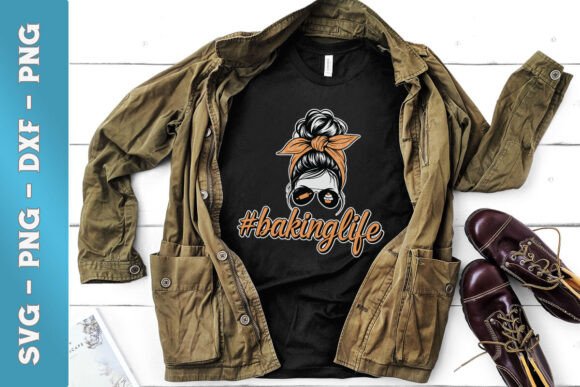
At its core, the Baking Life Mom Design Messy Bun SVG leans into a hand-drawn, whimsical aesthetic. The loose lines and soft curves give it an effortless charm that feels both modern and nostalgic. It’s not overly polished, which is exactly what makes it work for machine embroidery. That slightly imperfect lettering and the playful bun silhouette create a texture that reads as warm and handmade, even before you load the needle. For a designer, this is gold—because the style itself already communicates “crafted with care,” and that’s the emotion you want to stir in a customer seeing your finished product.
I’d categorize the mood as lighthearted domesticity. It’s not a serious, formal design. It’s the kind of thing you’d gift to a mom friend who swears her messy bun is her best accessory while she’s rolling out pie dough. The visual personality is approachable, and in embroidery terms, that means it will appeal to a broad audience—especially for personalized gifts and handmade products aimed at the motherhood and baking niche.
Real-World Embroidery Thinking: Where It Shines
I spent a morning mentally testing this design across a dozen products. My go-to scenario was a custom apron for a bakery-obsessed client. Imagine the Baking Life Mom Design Messy Bun SVG stitched in a soft oat-colored thread on a natural linen apron, right over the heart. The phrase, the tiny bun detail, and the baking whisk motif would form a cohesive, charming focal point. Unlike a flat vinyl cut, embroidery gives it dimension—the texture of the satin stitch on the messy bun would create a tactile, raised effect that feels truly premium.
The design also works wonders on a kitchen towel or a cotton tote bag. I could see it as part of a set: a matching towel and tote for a bridal shower gift, or a quick holiday embroidery project for a small shop’s Christmas collection. On a sweatshirt, placed on the chest or upper back, it would feel like a cozy, conversation-starting piece. The scale likely works best at around 4 to 5 inches wide, but I’d always recommend checking the original SVG dimensions and running a test stitch-out to see how tiny details behave.
Considering the Medium: From SVG to Stitches
This product is listed as a digital cutting file for Cricut or Silhouette, so it’s a Graphics asset first. But as an embroidery designer, I’m always looking at SVGs through the lens of “can I digitize this well?” The answer here is a confident yes, with a few caveats. The design’s open, airy lines and lack of heavy filled areas mean it will digitize into a clean running stitch or a light fill stitch combination. I’d likely convert the messy bun into a satin stitch outline with a subtle fill, keep the text as a narrow satin column, and use a simple running stitch for the whisk and flourishes. That keeps stitch density low, prevents puckering on lighter fabrics, and makes the design wearable.
You’ll want to test thread color contrast before committing. On a dark fabric like navy or charcoal, the design would pop beautifully with a cream or soft gold thread. On a white or light fabric, a warm taupe, dusty rose, or even a muted terracotta would read as elegant and understated. I always recommend stitching a sample on scrap fabric that matches your final product’s weight and color—this habit has saved me countless hours and ruined blanks.
Practical Uses Across a Craft Business
If you’re an Etsy seller or a small shop owner, the Baking Life Mom Design Messy Bun SVG can easily become a staple in your product line. I’d use it for:
- Custom apparel: lightweight sweatshirts, long-sleeve tees, and unisex crewnecks aimed at the “mom life” market.
- Embroidered patches: digitize it as a standalone patch, finished with a merrowed edge, perfect for craft fair impulse buys.
- Baby items: a tiny version on a bib or a onesie, paired with a matching mom item, creates a lovely gift set.
- Pillow covers: a decorative accent pillow for a kitchen nook or a reading corner, combining the design with complementary botanical elements.
- Printable mockups: use the SVG to create realistic product previews for your shop, showing customers what the embroidery would look like on a tote or towel.
Because the theme is so specific—baking and mom life—it naturally lends itself to niche boutique branding. A small bakery could use it on staff aprons or as a logo accent. A handmade shop owner could build an entire “Baking Life” collection around it, with matching mugs, tea towels, and apparel. The commercial embroidery potential is there, but I’d double-check the designer’s license. Since the listing only mentions cutting machine compatibility, you’ll need to confirm whether the file can be used for finished products you sell. Always reach out and clarify licensing before offering it on items for profit.
Where to Be Cautious
As much as I adore the design, I wouldn’t throw it onto every blank without a second thought. Here’s where I’d exercise design judgment:
- Small hoop sizes: The text might become illegible if scaled below 3 inches. Test the word “Baking” and the bun detail at actual size before digitizing. If the letters close up, increase the size or simplify the lettering.
- Textured fabrics: Terry cloth, waffle weave, or heavily napped fabrics can swallow fine satin details. Use a water-soluble topper to keep the stitches clean and prevent the design from sinking into the texture.
- Stretchy garments: On a thin t-shirt or performance fabric, a dense satin stitch might cause tunneling. I’d go with a light fill underlay and a soft cutaway stabilizer to maintain shape without stiffness.
- Caps and curved surfaces: The design’s relatively wide layout might be tricky on a structured cap. If you’re stitching on a hat, consider repositioning the elements vertically or using a smaller centered version.
- Frequent washing: While a well-digitized design holds up fine, the delicate satin columns on the bun and text might eventually show wear if the item is washed and dried on high heat. I’d recommend a gentle cycle and a quick press after drying to keep it looking fresh.
These aren’t dealbreakers—they’re just the kind of practical notes that separate a professional finished product from a weekend hobby attempt. I’ve learned that the more you think about the end user’s experience, the more your handmade items earn trust and repeat buyers.
Designer Notes for Digitizing and Stitching
Before you even open your software, there’s a workflow I swear by for any design I’m about to turn into an embroidery file. First, look at the Baking Life Mom Design Messy Bun SVG in black and white. It’s a simple trick: if the design still reads well without color, it will stitch with clarity. This one passes—the silhouette of the bun and the text weight hold up. Next, I’d check the line thickness. Thin, wispy strokes might need to be thickened slightly in the digitizing stage to ensure the needle can stitch them cleanly without thread breaks.
When you’re ready to stitch, remember:
- Use a stabilizer appropriate for the fabric. Medium-weight cutaway for knits, tear-away for wovens, and a fusible mesh for delicate items.
- Choose thread colors that echo the baking theme—think warm vanilla, cinnamon, sage, or soft buttercream. Let the design’s personality guide your palette.
- Run a test stitch-out on the same fabric you’ll use for the final product. Check for stitch density and adjust if the fabric puckers or the design feels too stiff.
- Inspect small details like the whisk and the bun’s individual strands. If they look messy rather than intentionally messy, tweak the digitizing to simplify.
One thing I love about this design is that it’s forgiving. The whole premise is “messy bun,” so a little organic imperfection in the stitch-out actually adds to the charm. That’s a rare gift in embroidery, where we’re often chasing perfection.
How Customers React to This Aesthetic
Having sold similar designs on handmade items, I can tell you that the reaction to something like the Baking Life Mom Design Messy Bun SVG is immediate recognition. Moms see themselves in it. It’s not just a phrase; it’s a shared identity. When a customer picks up a personalized gift featuring this design, they’re not just buying a towel—they’re buying a little piece of validation. That emotional connection translates to buyer engagement, repeat purchases, and word-of-mouth referrals. For a craft business, that’s the real measure of a design’s worth.
On a practical level, the design photographs well. The contrast between the embroidered text and the fabric creates a crisp, professional look for product listings. I’d use it in a printable mockup to show variations—on a tote bag, a folded kitchen towel, and a cozy sweatshirt—to give buyers a clear vision of what they’re getting. When your product photos look like a real, tangible item, trust builds quickly.
Final Thoughts from the Workroom
After spending hours mentally stitching and testing this design, I’d say the Baking Life Mom Design Messy Bun SVG is a solid addition to a maker’s digital library. It’s not a design that requires advanced digitizing skills, but it rewards someone who pays attention to detail. It’s versatile enough for home decor, wearables, and gift items, and it carries a mood that feels both personal and commercially viable. I’d happily use it for client projects, small-batch runs, or even a one-off custom piece for a friend.
Just remember: this is a digital cutting file originally made for Crafts like vinyl and paper, so you’ll need to do the legwork of digitizing it for embroidery. Check the hoop size your machine can handle, confirm the stitch-friendly dimensions, and always, always test before you stitch on a final garment. If you treat it as a canvas—something to adapt and refine—you’ll get a finished product that looks like it was made with love, messy bun and all.
For embroidery designers, small business owners, and anyone building a handmade brand, the right design isn’t just about what it looks like on screen. It’s about how it feels in the hands of the person who takes it home. The Baking Life Mom Design Messy Bun SVG has that feel. Now go make something beautiful with it.