Late Night Snuggles Mom Life Design: Embroidery Review
When I first pulled up the Late Night Snuggles Mom Life Designs file, I was already picturing it stitched onto a soft heather gray sweatshirt. That’s the kind of design this is—immediately wearable, emotionally resonant, and begging to be turned into a finished product. I’ve been working on a small batch of mom-life themed apparel for a boutique order, and this design landed on my screen at exactly the right moment. But as any experienced embroidery designer knows, not every beautiful graphic translates well to thread and fabric. I needed to look closer.
First Impressions and the Everyday Mom Vibe
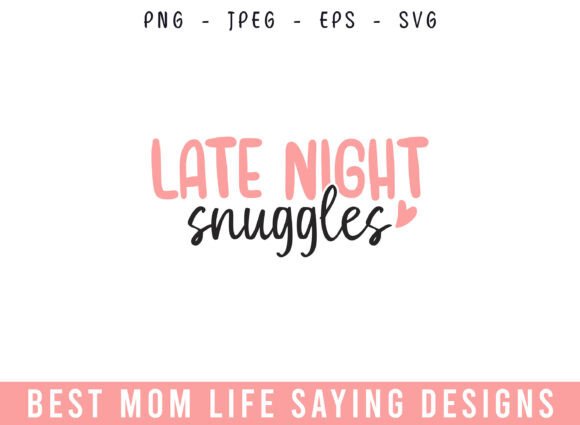
The mood hits you right away: cozy, honest, a little tired, and full of love. The phrase “Late Night Snuggles” captures that 2 a.m. hush that every parent knows. Visually, the lettering style feels soft and approachable, with gentle curves that suggest comfort rather than loud statement. The layout is clean and centered, making it a natural fit for a machine embroidery design used on chest placements, pockets, or even tote bag panels. There’s a warmth in the shape language that reminds me of hand-lettered signs in a nursery, but with enough polish that it doesn’t look homemade in the wrong way.
Because the design is sold as Graphics within the Crafts category, the file itself is built from 100 vector shapes. That means resizing for a printable mockup or a digital product preview is incredibly clean. The color change feature is a huge plus—you can easily adapt it for a dark T-shirt or a white T-shirt, as the listing notes, and that same flexibility carries over into embroidery when you’re picking thread colors. I immediately tested a mockup with a soft cream thread on charcoal fabric, and the contrast felt just right for a custom apparel piece.
The Mood It Creates on Fabric
When I imagine stitching this out, I don’t see a stiff, over-digitized mess. I see a design that breathes. The lettering has enough openness to let the fabric texture peek through, which is exactly what you want for a handmade product that’s meant to be touched and worn. The shape personality is round and friendly, and that translates well to satin stitch segments that won’t feel bulky. If you’re using a fill stitch for the main lettering and a lighter running stitch for any accent details, the final look can be both soft and legible. That’s a non-negotiable for baby embroidery or children’s items, where you don’t want scratchy textures against delicate skin.
Where Late Night Snuggles Shines Brightest
I’ve mentally placed this design on at least a dozen embroidery project types. The first and most obvious is the classic sweatshirt embroidery—that’s where the cozy mom-life messaging feels most at home. A crewneck with this design centered on the chest, paired with a small heart accent, would sell out at a craft fair within hours. I’d also love it on a large, slouchy tote bag as a gift for new moms. The scale is generous enough to hold its own on a canvas panel, and the simple shapes mean you won’t lose detail even if the bag gets soft and worn over time.
For personalized gifts, this design is a clear winner. Picture it on a set of matching baby and mama tees, or as an embroidered patch stitched onto a nursery blanket. The message is universal enough to appeal to a wide audience, but specific enough that it feels like an inside nod to the mom life club. I’ve even considered it for a holiday embroidery item—maybe a mother’s day pillow cover or a Christmas gift towel. The design’s simplicity keeps it from being tied to a single season, which is excellent for Etsy sellers who need inventory that moves year-round.
From a business perspective, this design also works beautifully as a digital embroidery file preview. Because the vector base is clean, you can place it on a printable mockup of a mug, a cap, or a tea towel, and it still reads as a cohesive design asset. That’s important for small shop product listings where the first impression is a screen image. A muddled preview can kill a sale, but this will look crisp and professional.
Design Details That Matter in the Hoop
When I evaluate a design like Late Night Snuggles Mom Life Designs for actual stitching, I zoom in on the lettering. The phrase itself is fairly short, which is a relief. Longer mom-life sayings can become a nightmare in small hoop sizes because the stitch density gets too tight and the fabric puckers. Here, the text has breathing room, and the curves are gentle enough that a medium satin stitch with proper underlay will hold up without distorting. I’d still recommend testing the digitized version on a scrap of the same fabric you plan to use—especially if it’s a stretchy knit or a textured weave.
The listing mentions that the design is easy to change color for different backgrounds. That’s a critical feature for embroidery, because what looks perfect on a white mockup can disappear on a dark T-shirt if you don’t adjust the thread contrast. I always test a new design in a black and white mockup first, just to see if the shapes hold their own without color to carry them. The Late Night Snuggles motif passes that test: the lettering weight is substantial enough to stand out, even in a single tone. For a custom apparel piece on a dark teal or navy sweatshirt, I’d choose a warm cream or a soft gold thread to keep the mood intimate rather than shouty.
Tiny Details and Stitch Flow
There aren’t overly complex decorative accents here, which is smart. The design relies on the shape of the letters rather than fragile flourishes. That means fewer trims, fewer thread breaks, and a faster stitch-out—all things that matter when you’re producing multiple items for a craft business. If you’re adding this to a cap or a curved surface, the relatively simple outer contour reduces the risk of registration issues. That said, I wouldn’t push it too small. A design with this much personality needs room to breathe; a 4x4 inch hoop might be the minimum, but I’d personally aim for a 5x7 or larger to keep the lettering clean.
Navigating Tricky Fabrics and Surfaces
Not every fabric is a friend to a text-heavy design. On thin fabric like a lightweight jersey or a onesie, you’ll need a solid cutaway stabilizer to keep the stitches from tunneling. This is especially true for baby embroidery or infant items, where the fabric is often soft and stretchy. I’d also avoid extremely textured fabrics like terry cloth or thick fleece unless you’re prepared to use a heavy water-soluble topper, because the lettering can sink into the pile and lose legibility.
For dark fabric, the contrast issue is double-edged. Yes, a light thread pops, but you also need to be mindful of the design’s negative space. If the lettering is too tight, the dark background can fill in the gaps and make the words look like a blob. I’d test the stitch-out on a scrap of the exact dark fabric you intend to use, and I’d watch carefully for any dense stitch areas that might cause the garment to pucker. A well-digitized version of this design will use a light underlay, especially if you’re working with a satin stitch that’s prone to sinking.
Curved surfaces like caps or hat fronts are another consideration. The design’s horizontal layout is friendly for a flat application, but on a structured cap, you’ll need to watch the side edges. The lettering might curve along the cap’s seam if you’re not careful about hoop placement. I’d use a cap frame and center the design carefully, maybe even adding a slight arc to the digitizing if the cap style demands it. But for most handmade product applications—tote bags, pillow covers, flat garment panels—it’s a straightforward stitch.
How This Design Elevates a Craft Business
I’m always thinking about how a design affects customer trust and buyer engagement. When a mom sees “Late Night Snuggles” on a product, she’s not just buying a shirt; she’s buying a reminder of those quiet, precious hours. That emotional connection is what turns a casual browser into a repeat customer. If you’re an Etsy seller, this design gives you a ready-made story to tell in your listing. Pair it with a gently styled photo—maybe a mug of tea and a baby blanket—and you’ve got a personalized gift that practically sells itself.
For commercial embroidery use, the design’s professional yet personal feel helps maintain brand consistency. A boutique that sells mom-life apparel can use this across multiple products—tees, onesies, tote bags, even tea towels—and the messaging stays cohesive. Because the vector shapes are resizable, you can also create matching design assets for tags, stickers, or social media graphics, tying the whole brand together without needing a separate graphic designer.
One thing I always remind myself: check the licensing. The product description doesn’t spell out specific terms for digital embroidery file resale or finished product sales, so before you list a dozen items, confirm that the seller allows commercial use. Most Graphics for Crafts are intended for personal and small business use, but it’s better to get clarity. That’s just good practice for any small shop product production.
Practical Embroidery Designer Notes
Before you commit to a full run, here’s a list of steps I’d run through in my own studio:
- Test the digitized design on a scrap of the same fabric and stabilizer you plan to use.
- Check thread color contrast on both light and dark backgrounds—what looks good on screen may not read well in thread.
- Review the stitch density in the digitized file; too dense and it’ll pucker, too light and the lettering will look sparse.
- Confirm the hoop size needed; don’t assume it fits a 4x4 without scaling, and scale only if the digitizing allows it.
- Inspect small details like the inner loops of letters—tiny gaps can close up on textured fabric.
- Test the design in black and white, and also in a single-color mockup, to see if the shape holds up.
- Use a proper stabilizer for the fabric type: cutaway for knits, tearaway for wovens, and a topper for plush surfaces.
- Check the licensing terms before selling finished items or redistributing the embroidery file.
- Run a wash test on a finished sample to see how the thread and fabric hold up.
I’d also spend a moment considering the mood of the final product. A design like Late Night Snuggles Mom Life Designs works best when the surrounding product feels just as thoughtful. A cheap, scratchy blank will undercut the warmth. Opt for a soft, high-quality garment or a sturdy canvas tote, and the finished product value goes up significantly. That’s what keeps customers coming back, and it’s what makes a handmade product feel like a gift rather than a commodity.
This design has earned a spot in my personal library of go-to mom-life motifs. It’s not trying too hard, it’s emotionally spot-on, and it’s built in a way that invites adaptation. Whether you’re creating a single personalized gift for a friend or stocking a whole collection for a craft business, the Late Night Snuggles motif will do the quiet, important work of making someone feel seen.