Military Mom Armed Services Veteran SVG: A Designer’s Review
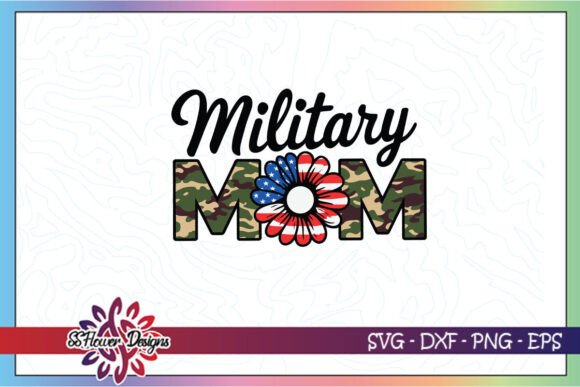
Unzipping the folder, the first thing that hits me is the quiet confidence of the Military Mom Armed Services Veteran SVG. It doesn’t shout. It doesn’t need to. The design carries a weight that feels immediate and personal, the kind of graphic that stops a browser mid-scroll at a craft fair or on an Etsy listing. From a designer’s perspective, the mood is rooted in pride, sacrifice, and a layered identity that blends motherhood with military service. The shape language tends to be clean and bold, often centering on a strong silhouette, a star, a ribbon, or a mix of typography and symbolic elements that read clearly even from a distance. That readability is gold when you are thinking about thread translation, print placement, or heat transfer application on a busy product table.
What I look for right away is whether the design can breathe. A graphic that crams too much detail into a tight space becomes a nightmare under the needle. With this one, the layout feels intentional. If the Military Mom Armed Services Veteran SVG leans into a balanced composition with a central focal point and enough negative space around the edges, it will convert beautifully into a satin stitch outline or a clean fill stitch without losing its dignity. The visual personality doesn’t rely on gimmicks. It relies on recognition, and that is exactly what you want when you are building a product line around family, service, and heartfelt gifting.
First Look and Emotional Weight
Opening the file on a bright monitor, the high-resolution 300 DPI PNG that comes with this download is crisp. That matters. A fuzzy preview makes it impossible to gauge how the design will actually behave once digitized. A crystal-clear raster preview gives you a solid reference point for mapping out stitch angles, underlay, and pull compensation later. The mood is serious but warm, the kind of design that feels equally at home on a worn-in denim jacket at a veteran’s reunion or on a soft cotton throw pillow in a living room. There is a storytelling quality here that generic patriotic graphics often miss, and that narrative hook is what makes a product sell without needing a hard sales pitch.
Where This Design Truly Belongs
I mentally place this graphic on a few key products before I even fire up the digitizing software. The first candidate is a heavyweight canvas tote bag. Imagine a natural beige base, the Military Mom Armed Services Veteran SVG stitched in a deep navy and muted gold thread combination, with a medium-density fill stitch that gives the design a subtle dimensional lift. The tote bag becomes a walking statement piece, sturdy enough for everyday use and emotionally resonant enough to be a personalized gift that someone actually keeps.
A close second is a crewneck sweatshirt. Placed on the left chest or centered on the back, the design needs to be scaled carefully. A 4-inch-wide left-chest placement works beautifully for a clean, understated look. A full back placement, say 8 to 10 inches wide, demands a higher stitch count and a careful review of the smallest details. If the Military Mom Armed Services Veteran SVG includes any thin ribbons, tiny stars, or delicate lettering, those elements must be tested at actual size on a fabric scrap before committing to a full production run. Shrinking a detailed design too far is the fastest way to create a thread knot that looks like a blurry smudge, and no customer wants that.
Practical Embroidery Notes Before You Stitch
Testing on scrap fabric is not optional. I keep a stack of cotton twill and fleece remnants next to my machine specifically for this. When I run a test stitch of a design like this, I watch for three things immediately: how the satin stitch borders lay down on the fabric surface, whether any small text closes up into unreadable shapes, and how the fabric recovers after the needle penetrates dense fill areas. A design with strong patriotic or military themes often includes geometric shapes, stars, and text elements. Each of those behaves differently depending on the stabilizer and fabric combination.
- Use a medium-weight cutaway stabilizer on knits and sweatshirt fleece to prevent distortion after washing.
- On woven cotton for tote bags or pillow covers, a tear-away stabilizer works well, but I still prefer a light fusible mesh to keep the design crisp during the stitch-out.
- For caps and curved surfaces, the Military Mom Armed Services Veteran SVG needs to be digitized with a center-out or bottom-up sequence to avoid registration shifts. The graphic file itself won’t tell you that, so you need to check the digitized embroidery file carefully.
Thread color contrast is another layer I don’t leave to guesswork. A design that looks striking on a white screen can vanish on a dark garment. I always test the design in a black-and-white mockup first, then on the actual fabric color I plan to use. If the Military Mom Armed Services Veteran SVG relies on subtle tonal shading, that effect may not translate well into thread without manual simplification. A graphic that uses a lot of gradient or soft shadow detail in the PNG preview will need a skilled digitizer to reinterpret those areas into flat, stitchable regions. I often recommend reducing the color palette to three or four well-chosen thread colors that pop against the base fabric and keep the design readable.
Fabric and Placement Considerations
Thin, stretchy, or heavily textured fabrics require extra care. A lightweight rayon jersey is not the right home for a dense, heavily stitched version of this design. The fabric will pucker, the stitches will sink, and the finished product will look cheap no matter how good the original artwork is. I prefer to reserve this design for medium-weight woven fabrics, sturdy knits with a stable backing, or structured accessories like aprons and canvas pouches. If you want to use it on a baby item, a soft cotton onesie can work beautifully, but only if you scale the design down appropriately, use a soft backing, and reduce the stitch density to keep the fabric flexible against a baby’s delicate skin.
Dark fabrics present both an opportunity and a challenge. The Military Mom Armed Services Veteran SVG can look incredibly striking on a charcoal or black sweatshirt, but the thread colors need to be chosen for maximum contrast. A deep navy thread on a black background is a mistake. I lean toward brighter golds, clean whites, and vibrant reds that cut through the dark base with authority. Testing the design on the exact fabric color you plan to sell is the only way to be sure.
Commercial Use, Customer Trust, and Small Shop Merchandise
If you are an Etsy seller or a craft business owner, you are not just buying a graphic. You are buying the potential for a finished product that someone will gift to a mother, a veteran, or a family member who holds both identities close. The perceived value of that product depends on the stitching quality, but also on the emotional clarity of the design. A crisp, well-placed Military Mom Armed Services Veteran SVG on a custom apparel piece or an embroidered patch instantly communicates thoughtfulness. It tells the buyer that you understand the weight of the sentiment, and that trust translates into repeat customers and positive reviews.
Before you list a finished product, check the licensing terms that came with your download. The product description mentions that you receive a high-resolution PNG with a transparent background, ideal for a range of Crafts and Graphics uses. But unless the seller explicitly states a commercial embroidery license, you need to confirm that you are allowed to use the design on items you sell. Many digital product sellers are generous with their terms, but assumptions are risky. A quick message to the shop can save you a headache later.
Giftability and Brand Consistency
I pay close attention to how a design holds up over multiple washes, especially on items like kitchen towels, aprons, and baby blankets that get laundered frequently. The Military Mom Armed Services Veteran SVG needs to maintain its shape and thread integrity over time. A well-digitized version, stitched with quality polyester thread and proper backing, will outlast the garment itself. That longevity is a selling point. Customers who receive a personalized gift that looks just as good after a year of use become your best word-of-mouth marketers.
For boutique branding, consistency matters. If you build a collection around military family themes, this design needs to sit comfortably alongside other graphics in your line. The visual weight, the typographic style, and the overall finish should feel like they belong to the same family. I recommend creating a style guide for yourself, even a simple one, that notes the thread brands, color codes, and stabilizer preferences you use for each design. That small habit elevates your handmade presentation and makes your product line feel intentional rather than a random assortment of iron-ons.
Using the Design Beyond Embroidery
The included 300 DPI PNG with a transparent background opens up a lot of possibilities outside of machine embroidery. I have used similar files for printable mockups, sublimation transfers, and even as a visual reference when creating custom digitized embroidery files from scratch. The transparency is a gift when you are layering the design onto product photos for a listing. A clean, high-resolution preview on a mockup of a tote bag, mug, or pillow cover helps a buyer visualize the finished product instantly. That visual clarity reduces hesitation and increases engagement.
For card making and scrapbooking, the same graphic can be printed on heavy cardstock and used as a focal point in a handmade greeting card. A military mom receiving a card with this design on the front, paired with a handwritten note, is going to feel the intention behind it. That emotional connection is what separates a generic store-bought card from a thoughtful handmade piece.
Final Checks Before Production
No matter how experienced you are, a few practical checks will save you wasted blanks and frustrated afternoons. Confirm the hoop size your machine can handle and compare it to the intended stitched dimensions. Review the stitch density in your digitized file; if the design feels stiff and cardboard-like on the test stitch, reduce the density in the fill areas. Inspect tiny lettering at actual size. If the Military Mom Armed Services Veteran SVG includes any text, small serifs or thin strokes can disappear under thread, especially on textured fabrics. A sans-serif font or a slightly thickened stroke in the digitizing stage often solves the problem.
Finally, test the design on both light and dark fabric backgrounds. The mood shifts dramatically between a cream tote and a black hoodie, and you need to know which version represents your shop’s aesthetic best. I have seen designs that looked quiet and elegant on a white background suddenly become bold and commanding on a dark one, and both versions appealed to different customers. Knowing that before you list a product gives you confidence in your product photography and your description.
The Military Mom Armed Services Veteran SVG is not just a file. It is a conversation starter, a statement of identity, and a practical asset for a wide range of handmade goods. Approached with the right preparation, it carries the potential to become a steady seller in your lineup, a design that people seek out specifically because of what it represents. Treat it with the respect it deserves in your stitch-out, and your customers will feel that respect in the finished product.